Source Handmade 3d Wooden Puzzle for Toys, Decor, and Gifts
Explore 30 options for handmade 3d wooden puzzle models including LG829, LG845, and LG840. Compare features like movable parts, assembly difficulty, and material quality to find suitable DIY toys and educational items for various age groups; compare the available evidence and request quotations based on your requirements.
Key considerations
Products List
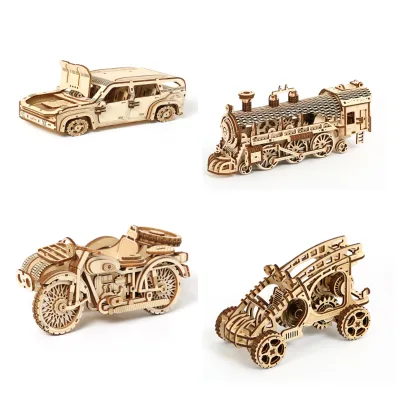
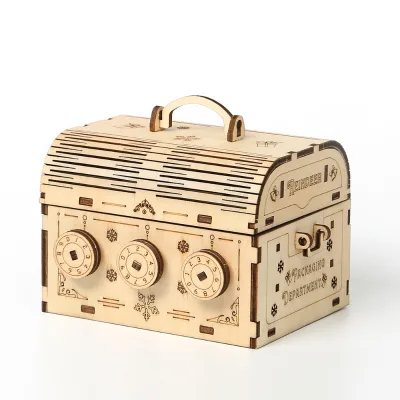
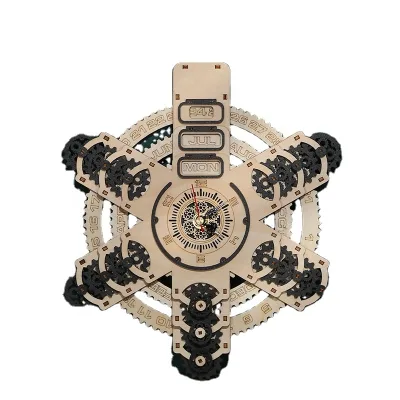

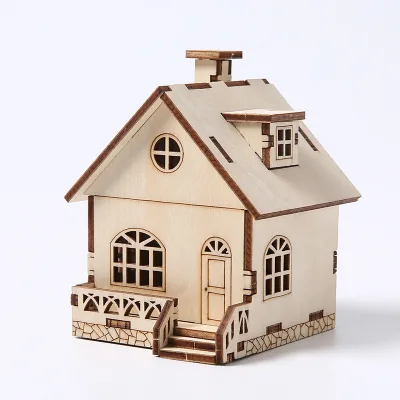




Comprehensive Sourcing Guide
Handmade 3D Wooden Puzzle Sourcing Guide
Sourcing handmade 3D wooden puzzles requires a nuanced understanding of both the artistic craftsmanship involved and the industrial realities of mass production. These products bridge the gap between traditional educational toys and modern decorative items, appealing to a diverse demographic ranging from young children to adult hobbyists. Buyers must recognize that "handmade" in this context often refers to the assembly of laser-cut components rather than the manual cutting of each piece, which allows for scalability while maintaining a premium aesthetic. The market is characterized by a wide variety of themes, including musical instruments, buildings, and vehicles, each demanding specific structural integrity and visual appeal.
Procurement teams must navigate a complex landscape of material specifications, assembly difficulties, and target age groups to ensure product-market fit. The observed data indicates a strong presence of wooden materials, with models ranging from simple five-piece sets to intricate puzzles with over 500 pieces. This variability directly impacts packaging dimensions, shipping costs, and the perceived value proposition for end consumers. Understanding these distinctions is critical for developing accurate cost models and setting realistic expectations for lead times and minimum order quantities, which can vary significantly based on the complexity of the design and the supplier's production capacity.
Product Scope and Observed Listing Signals
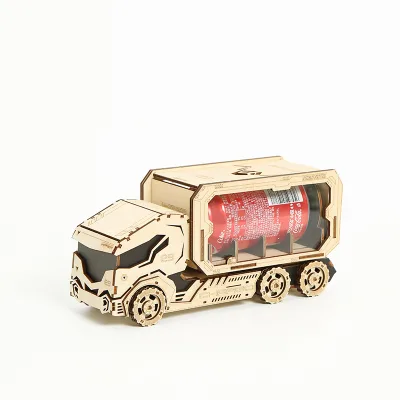
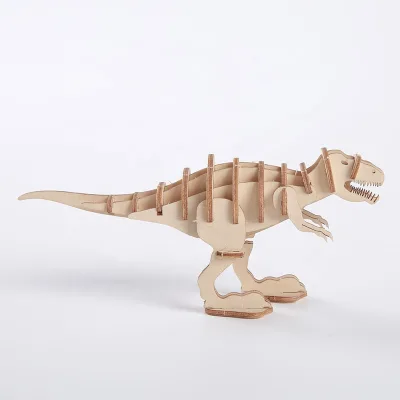
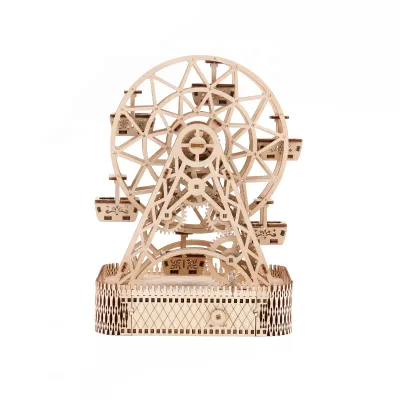
The current market landscape for handmade 3D wooden puzzles is defined by a diverse array of themes and structural complexities. Observed listings highlight themes such as musical instruments, buildings, off-road cars, and saloon car heads, indicating a broad appeal across different consumer interests. The product range includes items with piece counts from 51 to over 500, catering to varying levels of engagement and skill. For instance, models like LG829 and LG845 demonstrate the versatility of the category, with sizes ranging from compact 106mm structures to larger 240mm displays. This variety allows buyers to curate portfolios that address both casual play and serious hobbyist markets, ensuring a balanced inventory that meets diverse customer demands.
Key attributes observed in listings provide critical insights into product functionality and user experience. Features such as movable parts, static decoration capabilities, and even light-up or music-playing functions add significant value to standard puzzles. The difficulty levels, rated from three to five stars, help buyers align products with specific age ranges, from toddlers to adults. Additionally, the presence of OEM/ODM support suggests that suppliers are equipped to handle custom branding and design modifications, which is essential for private label strategies. Buyers should carefully evaluate these features to ensure they match the intended use case, whether it is educational development, decorative display, or interactive entertainment.
Technical Specifications to Verify
Verifying technical specifications is paramount to ensuring product quality and logistical efficiency. Buyers must confirm the exact dimensions of both the assembled product and the single package, as these directly influence shipping costs and storage requirements. For example, models like LG840 measure 240x30x360mm when assembled but pack into a 32x23x4 cm box, highlighting the importance of understanding packaging density. Weight is another critical factor, with single gross weights ranging from 0.155 kg to 10.000 kg depending on the model and material thickness. Accurate weight and dimension data are essential for calculating landed costs and optimizing supply chain logistics, particularly when shipping from origins like Zhejiang, China.
Assembly time and installation difficulty are key technical indicators that affect customer satisfaction and return rates. Listings indicate assembly times ranging from within three hours to more than three hours, correlating with the number of pieces and complexity of the design. Buyers should verify these estimates against actual production samples to ensure they are realistic. Furthermore, the material composition, typically wood with eco-friendly laser cutting, must be consistent across batches to maintain quality standards. Confirming the model numbers, such as LG811 or LG834, ensures that the supplier delivers the exact specifications agreed upon, preventing discrepancies in product appearance and functionality.
Compliance and Safety Documentation
Compliance and safety documentation are non-negotiable for importing handmade 3D wooden puzzles, especially those marketed towards children. Buyers must ensure that suppliers provide valid certifications such as CE, REACH, and RoHS, which verify that the materials and manufacturing processes meet international safety and environmental standards. Although these certifications are listed as low-confidence background information, they must be actively verified through third-party testing reports before placing large orders. This is particularly important for products with age ranges extending to 2-4 years, where strict safety regulations apply to prevent choking hazards and ensure non-toxic finishes.
In addition to certifications, buyers should request detailed material safety data sheets and test results for the wood and any adhesives or paints used. The EN71 standard is a critical benchmark for toy safety in many markets, and compliance with this standard should be explicitly confirmed. Buyers must also verify that the "eco-friendly" claims are substantiated by relevant environmental certifications, as greenwashing can lead to reputational damage and legal issues. Ensuring that all documentation is up-to-date and covers the specific models being purchased is essential for smooth customs clearance and market entry, protecting the buyer from potential liabilities associated with non-compliant products.
Cost Drivers and Commercial Terms
Cost drivers for handmade 3D wooden puzzles are influenced by material quality, design complexity, and order volume. The observed minimum order quantities (MOQs) range from 10 to 5000 units, with some listings specifying 100 boxes as a standard MOQ. Buyers should negotiate MOQs based on their sales velocity and storage capacity, as lower MOQs may come with higher per-unit costs. The price range of 0.2 to 13.69 USD reflects this variability, with simpler, smaller puzzles costing less than intricate, larger models. Understanding these cost structures allows buyers to forecast margins accurately and identify opportunities for cost savings through volume discounts or simplified designs.
Commercial terms, including payment methods, lead times, and shipping arrangements, significantly impact the overall procurement strategy. Buyers should clarify whether the supplier offers FOB, CIF, or EXW terms, as this affects risk allocation and logistics responsibility. Lead times can vary based on the complexity of the order and the supplier's current production schedule, so it is crucial to establish clear timelines in the contract. Additionally, buyers should inquire about packaging options, such as English format packaging, to ensure that the products are ready for their target market. Transparent communication regarding these terms helps prevent misunderstandings and ensures a smooth transaction process.
Supplier Qualification and Quality Control
Supplier qualification is a critical step in mitigating risks associated with handmade 3D wooden puzzle procurement. Buyers should conduct thorough due diligence to assess the supplier's production capabilities, quality control processes, and financial stability. This includes verifying the supplier's location, such as Zhejiang, China, and evaluating their experience in manufacturing wooden puzzles. Requesting references from existing clients and reviewing their track record can provide valuable insights into the supplier's reliability and consistency. Additionally, buyers should assess the supplier's ability to handle OEM/ODM requests, as this indicates flexibility and responsiveness to custom requirements.
Quality control measures must be rigorously enforced to ensure that the final products meet the agreed-upon standards. Buyers should implement a comprehensive inspection plan that includes pre-production samples, in-process checks, and final random inspections. Key quality indicators include the precision of laser-cut edges, the stability of assembled structures, and the consistency of finishes. Suppliers should be required to provide detailed quality reports and test results for each batch. Establishing clear acceptance criteria and communication channels for addressing defects is essential for maintaining product quality and customer satisfaction, reducing the risk of returns and negative reviews.
Long-Term Procurement Checks
Long-term procurement checks are essential for maintaining a sustainable and competitive supply chain for handmade 3D wooden puzzles. Buyers should regularly review supplier performance metrics, including on-time delivery rates, product quality consistency, and responsiveness to issues. Establishing a scorecard system can help track these metrics over time and identify areas for improvement. Additionally, buyers should stay informed about market trends and consumer preferences, as these can influence product demand and design requirements. Regularly updating product specifications and exploring new themes, such as educational toys or decorative items, can help keep the product portfolio fresh and relevant.
Continuous improvement initiatives should be encouraged through collaborative discussions with suppliers, focusing on process optimization and cost reduction. Buyers should explore opportunities for innovation, such as new materials or assembly techniques, that can enhance product value and efficiency. Building strong relationships with suppliers based on mutual trust and transparency can lead to better cooperation and more favorable terms over time. Furthermore, buyers should remain vigilant about regulatory changes and market dynamics, adapting their procurement strategies accordingly to mitigate risks and capitalize on new opportunities. This proactive approach ensures long-term success in the competitive handmade 3D wooden puzzle market.
FAQs
What is the typical assembly time for these puzzles?
Assembly time varies by model complexity. Some designs require within 3 hours, while intricate models take more than 3 hours. The difficulty level ranges from three to five stars, helping buyers estimate the time investment needed for completion based on their skill level.
Can these puzzles be used as static decorations?
Yes, many models serve as static decorations. Features include movable parts, music capabilities, and lighting options. These versatile designs allow for display as educational toys or cartoon-style ornaments, making them suitable for various decorative purposes in homes or retail environments.
What materials are used in manufacturing these puzzles?
The puzzles are crafted from wood using eco-friendly laser cutting technology. This material choice ensures durability and safety. The laser-cut process provides precise pieces, facilitating easier assembly while maintaining an environmentally conscious production method that appeals to modern consumers seeking sustainable toy options.
What is the minimum order quantity for bulk purchases?
The minimum order quantity is typically 100 boxes. This MOQ applies to standard wholesale transactions. Buyers should note that specific models may have different requirements, so confirming the exact MOQ with the supplier is essential before placing a large order for inventory replenishment.
Which age groups are these puzzles suitable for?
These puzzles are designed for a wide age range, including children aged 2 to 4 years, 5 to 7 years, and 8 to 13 years, as well as adults 14 years and up. The varying difficulty levels ensure appropriate engagement for different skill sets.
Are OEM and ODM services supported for these items?
Yes, OEM and ODM services are supported. Manufacturers offer customization options to meet specific brand requirements. This flexibility allows businesses to create unique products tailored to their market needs, ensuring distinct branding and product differentiation in the competitive toy and puzzle industry landscape.